Removing a Stripped Stainless Steel Screw

Well, if you made the mistake of putting decking down with stainless steel screws like I did, you may have run into this issue before. Either you didn’t drill a decent pilot hole, or it was getting to be too hot, and you were in a rush, it doesn’t matter. The bottom line is that you now have a completely stripped stainless steel screw head staring you right in the face.

After giving up with the hacksaw (because I realized that would just leave a dead screw in the wood, I decided to use an old flathead screwdriver bit. I held the bit on the head of the screw and pounded it into the screw a few times with a hammer.

After the bit was into the screw, I slowly turned it out.

Stainless steel screw head

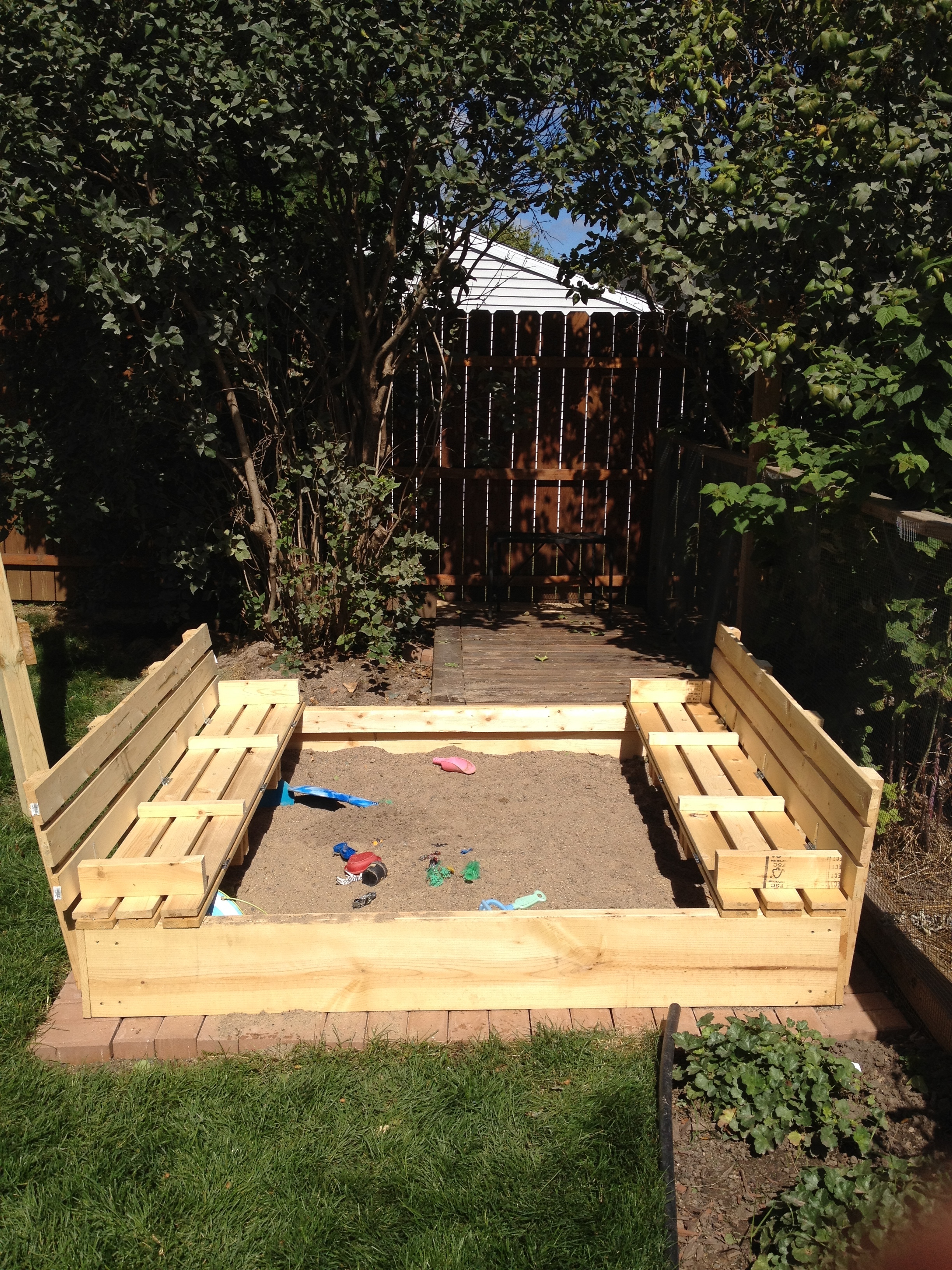
Sandbox

I finally built a sandbox for the kids (just in time for winter, right?). I’ve been meaning to all summer, and planned to do it as soon as our landscaping was done in the back yard.

It took longer than I thought to finish up the landscaping, and after that, there were a few other more pressing projects. But, the bottom line is that it’s done.

I got the plans from the Home Depot website. It cost about $85 for the materials, which I realize is complete overkill for a sandbox. However, I wanted to have at least one thing in the back yard that wasn’t a plastic monstrosity, even if they only use it a few times.

Actually, I’m sure it will be worth it. The kids love to play in the sand. Anyway, here are some pictures of the process.

Prepping the base

Building walls

Adding pavers for edging

Fixed bench

Closed

Open

Goodbye galvanized iron pipe!

Well it’s taken forever but I’ve finally gotten rid of the last piece of galvanized iron pipe in my water supply line.

Here’s what the last shut-off valve looked like before I replaced it. The valve stem was pretty wobbly. Thinking back, I was always surprised that it didn’t start leaking.

In the picture below, the water from the street comes up through the floor. The pipe coming in from the street is copper. Then, it’s a galvanized iron shut-off valve, and finally it’s copper again.

Gavanized Iron Pipe Main Shut off

In order to replace it, I needed to shut the water off at the street. I borrowed a shut-off key and read up on how to shut the water off myself. I even watched a few videos.

The water shut-off valve to my house was about 5-6 feet down. The key was pretty long, though. I couldn’t see the bottom, since the pipe only a couple of inches wide. So, I felt around at the bottom for the valve with the key itself. I couldn’t find it right away like I was hoping too. There was too much stuff at the bottom. I had read that you can pour water down to have loosen it up, but instead I thought I would call the water company since there was no charge for them to come out and fix it. I was hoping they would spray some compressed air in there to clean it out, but instead they just poured water in there to loosen up the dirt. Oh well.

Once the water was off, I quickly went to work. I cut the old pipe out. I expected some buildup from the galvanized iron, but I had no idea it would be that bad. Here’s what the inside looked like.

Old Galvanized Iron Pipe

Old Galvanized Iron Pipe Close Up

After an hour or so, I had the new pipe on and I called the water company back to have the water turned back on. I hoped that I had my first shut-off sweated correctly, because it would have been embarrassing to ask them to shut it off again real quick.

I did have a small pinhole leak, but it was after my first shut-off. So, I gave the water company the thumbs up. Later, I fixed my leak.

Here’s the final product.

Shutoff After Fix

Our water throughput is much, much better now (as you might have imagined). We were able to run most things with moderate pressure before, but only one at a time. If somebody was filling the bathtub, you would get very low pressure in the kitchen. That no longer happens. So, it was a big win. I just wish (like most things) I had done it sooner.

Lego Astronaut Blender Mesh Files

Lego Astronaut

Here is a Lego man that I did with Blender (v 2.4.9). I’ve decided I would post this, since when I did a search for one, I couldn’t find one. I will try to keep it up to date. The link to the mesh files are below.

Download the Blender Files (this contains LegoMan.blend, face.jpg, and suit_logo2.jpg)

Galvanized Iron Pipes

Corroded Galvanized Iron PipeWell, it feels good to finally have gotten rid of all of the galvanized pipes on our supply lines at home. I wish I could say I’m going to miss it, but I’m not.

This level of corrosion was pretty much on all of the fittings at the valve connection. This not only made the water pressure lower, but it also makes it nearly impossible to (assuming you are brave enough to try) turn the shut-off valves to the off position. I never turned these ones, for fear of breaking them off, or not getting them to open back up.

TrafficMaster Stainproof Grout

TrafficMaster Stain-proof GrouWhat can I say about my “stain-proof” grout experience?

I’m not sure if I made the decision to use stain-proof grout because it was my first tiling project or not. Having never tiled anything before, I thought that it was going to be a lot of work to put tiles up in a shower stall. I didn’t want to do all that work just to have it get stained or moldy in a few years. So, I thought “stain-proof” grout would be the perfect solution.

TrafficMaster Stainproof Grout was the product Home Depot was selling at the time. Seemed to me if Home Depot was selling it, how bad could it be? So, without doing any research online, I bought a few containers of the stuff, and headed home.

How did I get such an idea in the first place? After all, I knew next to nothing about grout. Why didn’t I just follow the Tiling For Dummies book?

Well, it’s simple. My father-in-law had recently remodeled his bathroom. When he did, he used the TrafficMaster Stainproof Grout from Home Depot. He was excited about how it was able to prevent stains from setting in (nice for bright white grouts). However, he adamantly warned me not to use this stuff. Having used regular grout many times before, he said this stuff was inferior, and would make the job more difficult for me.

It’s too bad I didn’t listen to him.

So, after getting the tub area all cleared out, I was ready to go. The tiles were all up, and I was feeling pretty proud of myself. They looked good. Now, I just wanted to get the grout on and have the project finished up. I had been showering in the basement for the last three months, and I was getting a little sick of it.

I put the first application on and let it dry. I followed the directions on the container exactly as written, although it never said anything about how long to let it dry before removing the excess grout. I figured I would remove the excess when it was hard enough so that I couldn’t stick my fingernail in it anymore.

Well, after several hours, the grout did not harden. I was starting to worry. Regular grout would have hardened in a few minutes. It had been several hours, and I was still able to stick my fingernail into it.

So, I wiped off what I could with a damp cheesecloth and called it a day. The next morning, though, I woke up to find the grout complete cracked. It was cracked on every single grout line. And when I say cracked, I mean Grand Canyon sized cracks.

Ughhhh!

I was too far along in the process to start over, so my only option was to add another coat and hope that it would take. Well, luckily for me, the second application worked. It took nearly a week to harden, though. A week! I couldn’t believe it. There was nothing in the directions about this.

I’m probably making the process seem easier than it was. Keep in mind I had to clean up after each application, and I was afraid to use any water on the second application, so it was hard to remove the excess grout that had dried on the tiles. Plus, I hadn’t accounted for the extra time it took waiting for the grout to dry. So, it was really killing the weekend that I had set aside to do this.

It’s all over now, though, and I have bright white grout lines that even hair dye seems to come out of.

So, before I go blame the entire fiasco on the grout, I should say I’m not an expert tile worker (obviously, or I would have used regular grout). I may have had too much water on my sponge, right? It’s been awhile, but I remember quite vividly getting the sponge as dry as a bone before I wiped the grout away. Plus, I later sat down and searched for the grout on the internet. I found many people having the same experience as me.

I wish I would have done the research before I tried the product.